Introduction
CBD is everywhere — oils, gummies, skincare, coffee, even dog treats. In fact, a lot of brands market it as a remedy for sleep, anxiety, inflammation, pain, etc. But when it comes to the medical benefits of CBD, the science is much more specific than the marketing.
This guide separates the established medical use from the promising research, so you can see what CBD has been proven to do, what remains uncertain, and where consumer CBD supplements fit in.
The only clinically proven and FDA-approved medical use of CBD is treating certain forms of epilepsy (Epidiolex). Research into other uses — anxiety, sleep, pain, inflammation, and nausea — is ongoing and shows promising signals, but is not strong enough to call CBD a proven treatment or cure for these conditions.
The one thing CBD is medically proven for?
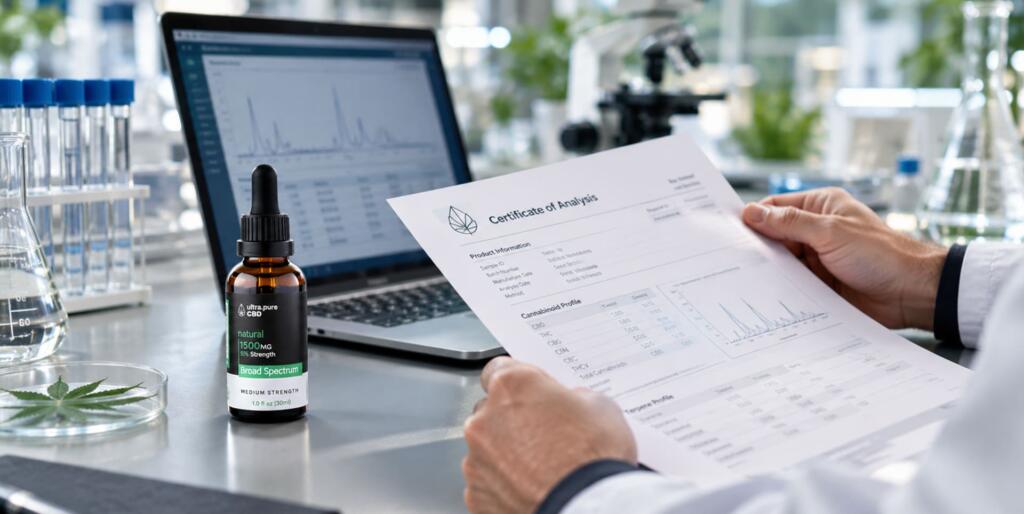
Epidiolex is the clearest example of CBD meeting the standard for medical treatment. It is an FDA-approved prescription medication containing purified CBD, used to treat seizures associated with Dravet syndrome and Lennox-Gastaut syndrome, two rare and severe forms of epilepsy.
Currently, this is the only medically approved use of CBD. No other CBD application has reached this bar.
Note: Epidiolex is a pharmaceutical medicine, not the same as the CBD oil sold as a wellness supplement.
What does the research suggest about other potential CBD benefits?
Outside epilepsy, CBD is being studied for several health concerns. The early findings are interesting, but the evidence is not yet strong enough to call CBD a medically proven treatment for these conditions:
1. CBD for Anxiety
One of the most-cited studies on CBD and anxiety was published in 2019 in The Permanente Journal. Researchers gave 72 adults with anxiety and sleep concerns a daily dose of 25 mg of CBD in capsule form and tracked them for one month. During the first month, 79% reported lower anxiety scores. However, the study was small, had no control group, and relied partly on self-reported results.
Another study on social anxiety and public speaking produced similar results where a group of people was given a 600 mg dose of CBD before a simulated public speaking test (SPST). The results were good but the dosage was quite higher than a normal person would consume and the sample size was also small. Besides, the test measured anxiety on demand. It was not clinical, like the one that comes at 3 am night or while giving your exams, etc.
In the end, the research community broadly agrees that larger, well-controlled randomised trials are needed before CBD can be considered a clinically validated treatment for anxiety.
Anxiety & everyday stress are completely different situations, and so is research on it.
CBD has been studied in both laboratory stress tests and longer-term settings, with some promising findings. For example, a 2024 study involving 48 healthy adults found that people who believed they had taken CBD showed a reduction in subjective stress.
So, yes, you can consume CBD to manage day-to-day stress at work, home, or anytime in your life. CBD vapes can give you the fastest results here.
But the research to approve its use medically is still not there.
3. CBD for Sleep
There is preliminary research that proves how CBD may contribute to better sleep quality. A 2023 review looked more broadly at the available research on CBD and insomnia. It identified 34 relevant studies, and all reported improvement in insomnia symptoms for at least some participants.
The 2019 Permanente Journal study (we discussed for CBD & anxiety above) also tracked sleep outcomes. In the first month, 66% of participants reported improved sleep scores. However, results fluctuated in the second and third months. Also, the researchers noted that the sleep benefits were less consistent than the anxiety benefits.
So, what does this mean for someone considering CBD for sleep?
The research gives CBD a promising place in sleep research. But it is too early to call CBD a proven treatment for insomnia or other sleep disorders. Larger and longer clinical trials are still needed to establish which people may benefit, what formulations work best, and how consistent the effects are.
Pain is one of the most common reasons people try CBD. But the thing is, the evidence here is more developed in pre-clinical (animal) studies than in human trials.
One such study was CBD for joint arthritis treatment in rats. The CBD lotion/gel applied to the joints of rats reduced swelling and immunized the cells. But human evidence is still emerging.
Some users do report meaningful relief. Meanwhile, others report little effect. So, without large, well-controlled trials, it is not possible to make a medical claim
5. CBD for Nausea
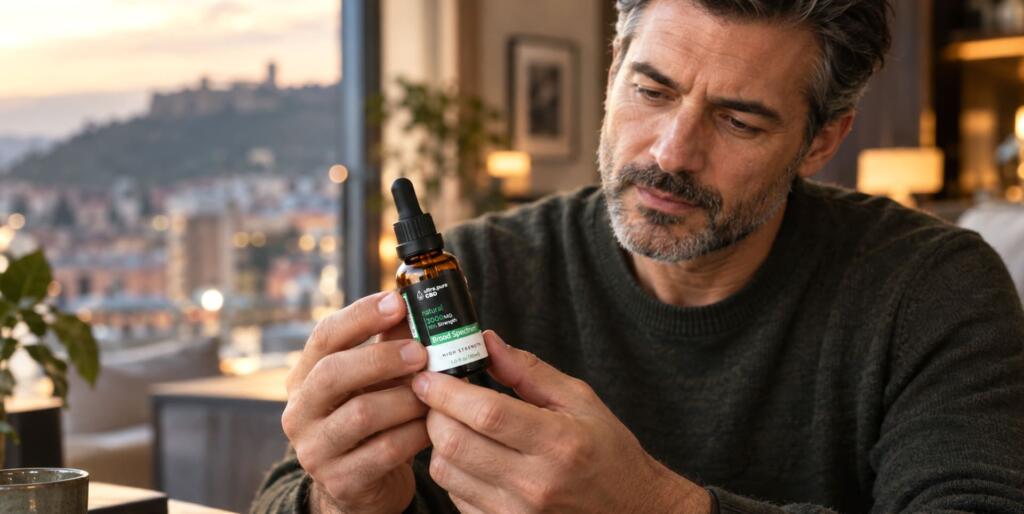
There is some evidence that cannabinoids can help with nausea and vomiting, particularly in patients undergoing chemotherapy. But it comes from studies involving THC or THC+CBD combinations rather than CBD alone.
Nabiximols and other cannabinoid medicines are used clinically for these indications in some jurisdictions, but again, these are not the same as consumer CBD oils.
For CBD in isolation, the anti-nausea evidence is pre-clinical and early. Research is ongoing but has not produced an approved CBD-only treatment for nausea.
What is not proven?
CBD is not a cure, a treatment, or a clinically validated therapy for any of the following:
- Cancer
No quality clinical trial has shown that CBD treats or cures any form of cancer. Some pre-clinical research has explored whether CBD might influence cancer cell behaviour in laboratory settings, but this is a long way from a medical application. Cancer treatment should always be guided by an oncologist.
- Diabetes
There is no clinical evidence that CBD treats, reverses, or manages diabetes. Animal studies have produced mixed signals around insulin resistance, but none has translated into an approved treatment.
- Alzheimer’s and other dementias
Early research has looked at whether CBD’s anti-inflammatory and neuroprotective properties might be relevant to neurodegenerative conditions, but no clinical proof exists. CBD is not a treatment for Alzheimer’s.
- PTSD
Some emerging research is looking at CBD and trauma-related anxiety, but no clinical guideline recommends CBD as a treatment for PTSD.
- Opioid addiction (as a standalone treatment)
Early studies have explored whether CBD might reduce craving or anxiety in opioid use disorder, but this research is at an early stage. CBD is not a standalone treatment for addiction.
- Depression
No clinical trial has demonstrated that CBD treats clinical depression. Some pre-clinical work exists; that is not the same as proof.
Side effects and safety profile of CBD

CBD is generally well-tolerated, particularly at the doses used in consumer products. However, some users can see mild side effects like dry mouth, fatigue, drowsiness, changes in appetite, and diarrhoea at high doses. Don’t worry, these effects are very mild and resolve as the body adjusts or the dose is reduced.
Also, if you are on blood thinners, antiepileptics, or some antidepressants, CBD’s interaction with your CYP 450 pathway can affect how your body processes medications. In such cases, you must always speak to your doctor before adding CBD to your routine.
Finally, CBD for women during pregnancy or the breastfeeding stage can have health risks. Health professionals usually recommend opting out of it.
Want in-depth detail about the potential side effects of CBD? Then check our guide on CBD Side Effects – What Research Says.
What does CBD mean for everyday supplement users?
If you have read this far, you must understand that CBD as a supplement sits in a different category from CBD as a pharma drug.
For general wellness, the existing research is encouraging even if not at medical-standard proof. Many people who use CBD daily report that it helps them feel more settled, sleep more easily, or recover better from training. In fact, most of our clients fall in this supplement-user category.
If you are exploring CBD for the first time, this research can help you understand what to realistically expect from CBD, what type of product to choose, and how to use it consistently.
Is CBD legal in Georgia?
Yes, CBD is 100% legal in Georgia, provided the product meets the THC-free standard. There is no legal risk in buying, holding, or using CBD oils, capsules, or topicals purchased from a reputable supplier. Just make sure to check sourcing, CBD concentration, and verify the COA (Certificate of Analysis) for additives and toxins.
For a deeper breakdown of the legal framework, including how Georgia regulates CBD differently from cannabis products containing THC, see our full guide: Is CBD legal in Georgia?
Frequently Asked Questions (FAQs)
Treating seizures associated with Dravet syndrome and Lennox-Gastaut syndrome through Epidiolex. Currently, this is the only medically approved use.
Research suggests it may. A 2019 study found reduced anxiety scores in most participants. However, the study was small, and larger controlled trials are needed before CBD can be considered a clinically proven treatment for anxiety.
Most people usually see mild side effects like drowsiness, dry mouth, and fatigue.
Yes, THC-free CBD products are fully legal in Georgia. You can buy them in Georgia at I Love Joint stores.
Conclusion
CBD is one of the most-researched cannabinoids in the world, and the evidence base is genuinely growing. Epidolex for epilepsy related conditions is a great example.
Outside of epilepsy, CBD has not yet cleared the bar of medical proof for any other condition. However, the positive signals of CBD in anxiety, sleep, pain, and inflammation are promising enough to justify continued research & usage.
We can conclude that it is a supplement with real potential for everyday wellness, not a medicine that treats disease.
If you are exploring CBD as part of a wellness routine, choose products that are THC-free, lab-tested, and backed by a Certificate of Analysis. Browse our full range of premium CBD oils, or visit our FAQs page for any other questions.