Introduction
If you’re looking into CBD, chances are you’ve wondered whether it comes with any side effects. The good news is that CBD is generally very well tolerated and comes with a minimal side effect profile.
Yes, CBD side effects exist but they are mostly mild, dose-dependent, and heavily influenced by product quality. Still, it is worth knowing before you start.
If you are a beginner or a current CBD consumer, this article is for you. We will cover the real side effects of CBD oil & other products, what causes them, and when they actually matter.
CBD’s most common side effects are drowsiness, dry mouth, diarrhea, and reduced appetite. These are usually mild and dose-dependent. Serious effects like liver enzyme changes are rare and linked to high clinical doses. Overall, THC-free, lab-tested CBD has the most favourable safety profile of the available options, which is why it tends to carry the lowest risk.
What are the most common side effects of CBD?
Some people sleep better. Others have trouble sleeping. CBD affects people differently, and that’s normal.
A 2017 literary review in Cannabis and Cannabinoid Research, looked at clinical studies where CBD was used for conditions such as epilepsy and psychotic disorders.
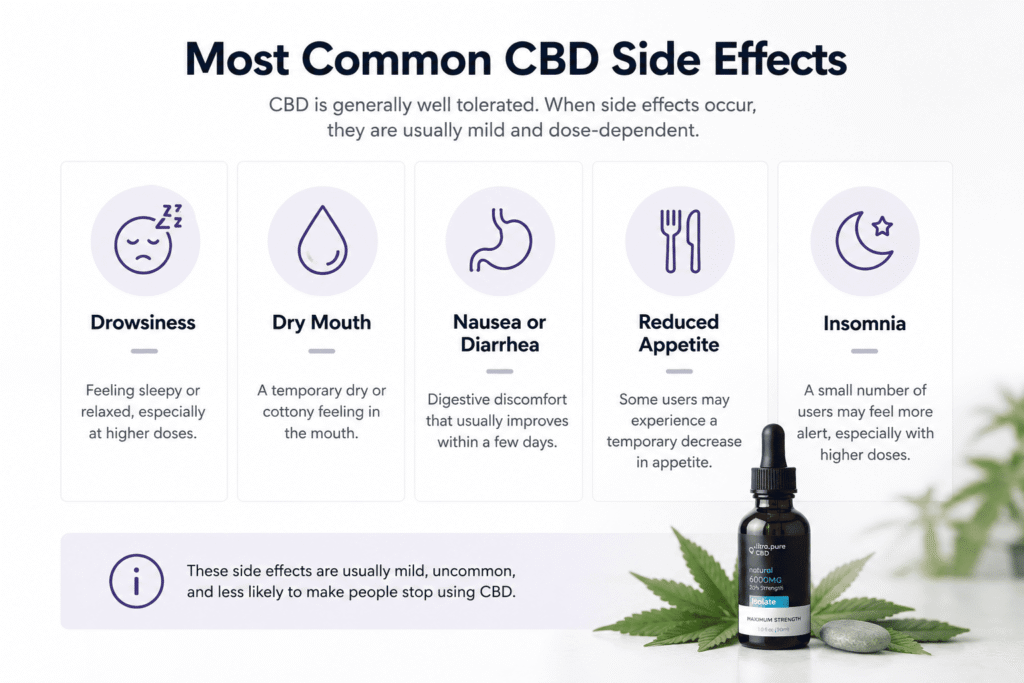
During the treatment, the most commonly reported CBD side effects by users were:
- Drowsiness: reported across multiple trials, more likely at higher doses.
- Dry mouth: Some users notice their mouth feels dry for a short time. Staying hydrated usually helps.
- Diarrhoea or nausea: more likely at higher doses or in the first few days of use. They settled during the first few days of use.
- Reduced appetite: Some research notes a temporary decrease in appetite, although not everyone experiences this.
- Insomnia: While many people use CBD as part of their bedtime routine, a small number of users report feeling more alert instead, especially with higher doses.
The research concluded that CBD generally has a favourable side effect profile. That doesn’t mean side effects are impossible. It simply means they are usually mild, uncommon, and less likely to make people stop using the product.
Are there serious side effects of CBD?
A customer once walked into our Tbilisi store and asked, “Is it true that CBD can be hard on your liver?”
It’s a fair question. But like many health headlines, the answer is missing one very important detail: the dose.
Yes, CBD can have serious side effects but they are very rare and have mainly appeared in clinical contexts at high daily doses. The following are some serious side effects of CBD worth noting of:
Liver enzyme elevation
This gets the most attention. An early finding noted that CBD can affect how your liver processes certain substances, primarily through the CYP450 enzyme system.
For instance, you are taking high-dose prescription CBD, such as Epidiolex at 10-50 mg per kilogram of body weight every day. Research shows that it can raise liver enzymes like AST and ALT which can be a sign of liver stress. That’s far higher than what most people use in over-the-counter CBD.
Cannabinoid Hyperemesis Syndrome (CHS)
CHS sometimes comes up in conversations about cannabis safety. It causes repeated vomiting and severe nausea, but it’s mainly linked to long-term THC-rich cannabis use, not pure CBD. CBD is often wrongly blamed for effects that come from THC contamination.
Allergic reactions
Allergic reactions to CBD are uncommon, but like with any wellness product, they can happen. Stop using the product and seek medical advice if you notice symptoms such as hives, breathing discomfort, or noticeable swelling after taking CBD.
In general, serious side effects are not typical for adults using lab-tested, THC-free CBD at normal serving sizes. They are more likely to be discussed in clinical settings, with very high doses, or when someone has specific medical conditions or takes certain medications.
What medications interact with CBD?
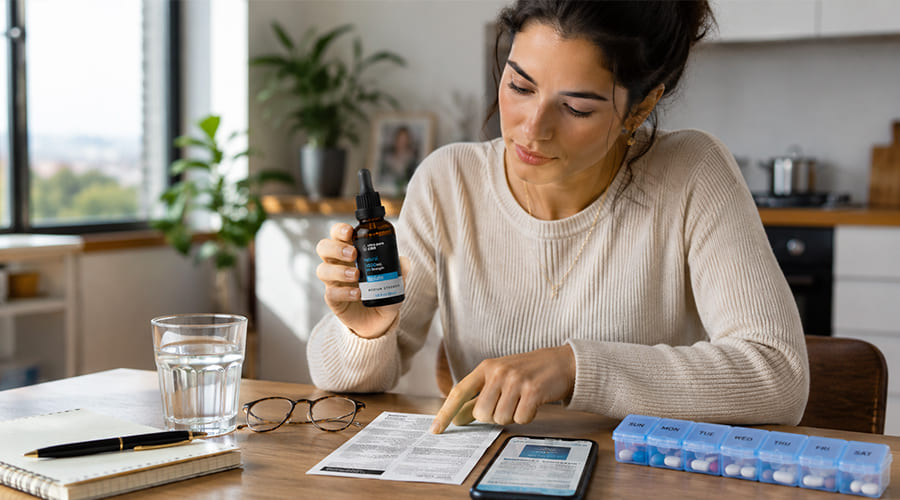
A lot of people assume that because CBD comes from a plant, it can’t interfere with medicines. This is where CBD gets more complicated than most people realize, and it’s the one area where “natural” doesn’t mean “automatically safe.”
CBD is metabolised by the CYP450 enzyme system. These same enzymes process almost 60% of your medicines. This isn’t unique to CBD. What CBD can do is slow down how quickly some medicines leave your body. That can cause interactions:
- Blood thinners – CBD and blood thinners is one of the most documented interactions to know about. If you take blood thinners with CBD, chances are it may reduce or increase its effect.
- Grapefruit – If your prescription says “avoid grapefruit,” it’s worth asking your doctor about CBD too. Both can affect the same liver enzymes.
- Sedatives and sleep aids – CBD and insomnia tablets..that’s like a recipe for hibernation. A lot of people witnessed that taking these medications together made them feel more sleepy than expected.
- Anti-epileptic medicines – Clinical studies on prescription CBD (Epidiolex) showed that some people needed dose adjustments when CBD was combined with seizure medications.
Does this mean you can’t use CBD? Not at all.
It simply means CBD isn’t something you should add blindly if you’re already taking regular prescription medicines.
NOTE: If you’re in Georgia and taking any chronic medication for heart conditions, epilepsy, mental health, or blood clotting, talk to your doctor before starting CBD. It takes two minutes and it’s the responsible thing to do.
Have more questions on safe CBD use? Check our FAQ page.
Does the delivery method change the side effect risk?
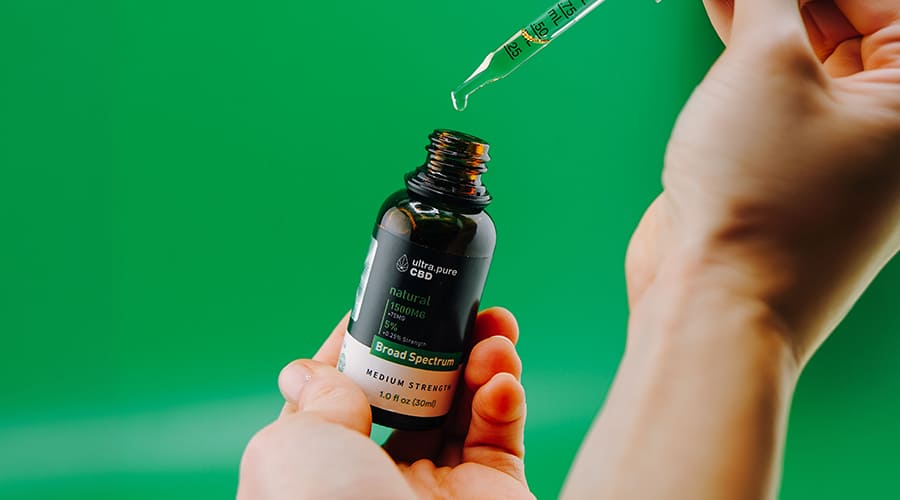
They do, and the difference matters… especially if you’re deciding between an oil and a vape.
Let’s say you choose a CBD oil. You place a few drops under your tongue through the tissues in your mouth.
Onset is usually 15 to 30 minutes, and the effects taper off over a few hours. Because it enters your system more slowly, any side effects, like drowsiness or dry mouth, also tend to come on more gradually.
I Love Joint’s Ultra Pure Extracts CBD Oil works this way. The side effect profile tends to be gradual and gentle because your body processes the CBD slowly.
Now let’s compare that with a CBD vape.
Its onset is 5 to 15 minutes and the effects last 1 to 3 hours. Because everything happens a little faster, it’s worth easing in gently if you’re new to it. If you have any respiratory sensitivity, an oil or gummy is usually the better fit.
CBD gummies and capsules sit somewhere in the middle. Since they have to pass through your digestive system first, they usually take longer to kick in (around 45–90 minutes).
The upside is that the effects generally last longer, but it also means you’ll need to wait before deciding whether you need more.
In the end, none of these methods is “better.” It simply comes down to what fits your routine.
Why does product quality determine most of the risk?
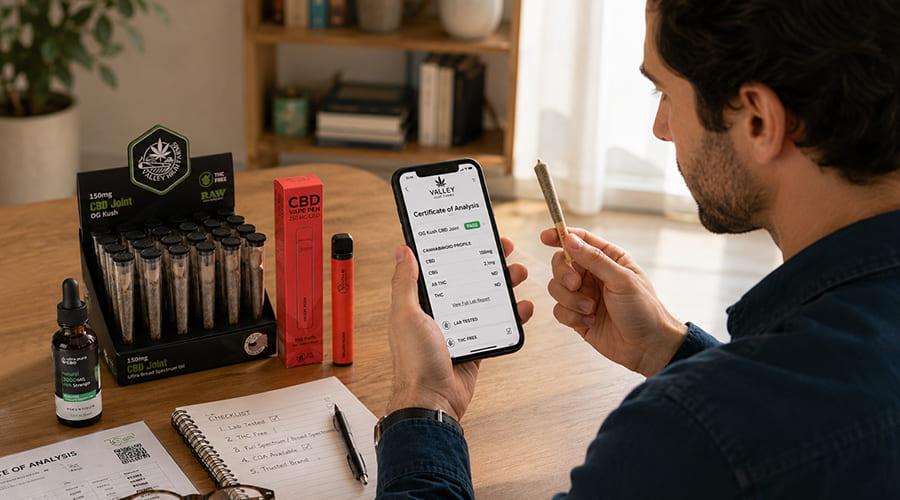
Here’s something that surprises a lot of people.
When someone says, “CBD gave me a terrible experience,” the problem isn’t always the CBD.
Sometimes, it’s what came with it. And if you dig into the data, product quality is the primary risk variable.
Undisclosed THC – A lot of times, brands market their products as pure CBD. But they have undisclosed THC, which is directly proportional to the share of adverse effects you face.
Contaminants – Poorly sourced hemp (from where CBD comes) can carry pesticides, heavy metals, or residual solvents. Without a COA, there is no way to verify purity.
Inaccurate labelling – If you don’t know what’s inside the bottle, you don’t really know what you’re taking. Studies of over-the-counter CBD products have found many contain more or less CBD than labelled. Underdosing means ineffective product; overdosing means unexpected intensity.
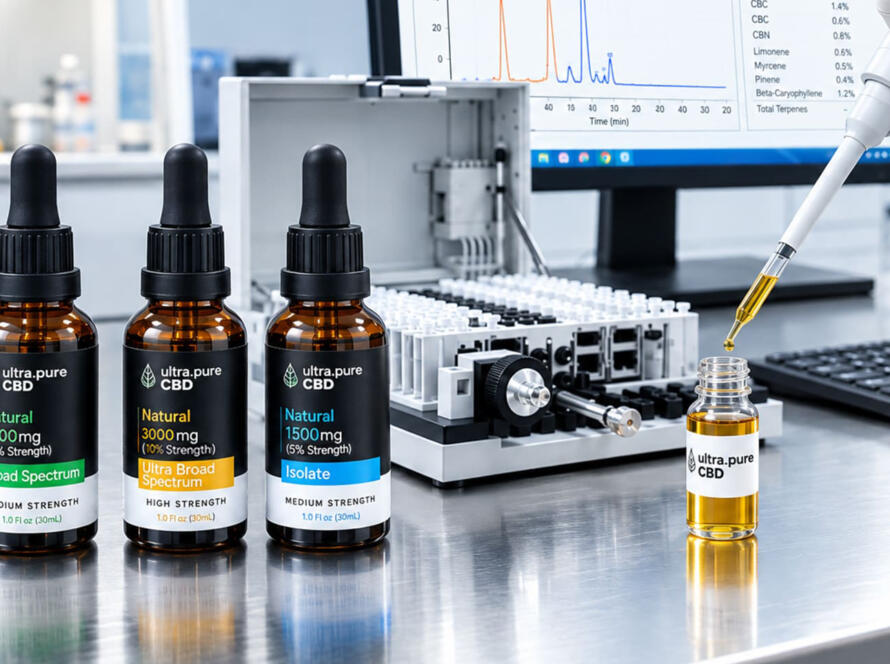
That’s exactly why you must check the Certificate of Analysis (COA) before buying CBD products. It’s an independent lab report that confirms what’s actually in the product.
At ILJ, all our products are premium & THC-free.
P.S. You can learn more about our testing standards on our about page.
How long do CBD side effects last?
Feeling sleepy after taking CBD? Or maybe your mouth feels a little dry? In most cases, there’s nothing to worry about.
CBD side effects are usually short-lived and resolve within 3 to 6 hours. But this depends on the dosage, your metabolism, the form, and how your body interacts with CBD.
- Drowsiness – It is the most common side effect people notice. The effects clear off in 4 to 6 hours for CBD oils, faster for vapes. But if you take a high dose (over 50mg) or ingest it late in the evening, a “hangover” effect or mental fog can occur.
- Dry mouth and nausea – This usually resolves once the CBD has been metabolised. That occurs within 15 to 30 minutes if vaping or using sublingual oils. Staying hydrated speeds this up.
- Diarrhea & Digestive Upset – This is an uncommon side effect. But again, it can happen, especially with large amounts or certain carrier oils. It usually improves within a day after stopping the product.
- Lightheadedness – Do you feel a little dizzy? This happens if your blood pressure is low. Sitting or lying down helps manage it, and it fades quickly as your blood pressure stabilizes
If you’re new to CBD, the easiest way to avoid unpleasant CBD drug interactions is to start with a small amount and increase gradually only if needed.
Frequently Asked Questions (FAQs)
Taking more CBD oil than you need is very unlikely to be harmful, though it may leave you feeling noticeably drowsy or a little queasy. The simple fix is to start with a low dose and build up slowly only if you need to.
THC-free CBD products are far less likely to trigger anxiety than products containing THC. Some early research suggests that CBD may help reduce anxiety at moderate doses.
Research suggests CBD is generally well-tolerated when used daily. However, long-term research is still ongoing, so speak with your doctor if you plan to use CBD every day for a health condition.
CBD can interact with blood pressure medications, so if you take one, it’s a good idea to have a quick word with your doctor before starting CBD.
THC-free CBD products are widely available in Georgia, and when they are lab-tested and used as directed, most people tolerate them well. Cannabis laws in Georgia are evolving, so it’s sensible to check the current rules for your situation.
At ILJ, all our CBD products are imported, lab-tested, and THC-free. You can learn more about our testing and quality checks on our About Us and FAQs pages.
Wrapping Up!
That said, the CBD side effects profile is very mild compared to most pharmaceutical alternatives. The biggest risk factor is product quality, not CBD itself. And using the right product makes all the difference.
Choose products that are lab-tested, COA-certified, and of course THC-free. Always start with a very low dose and give your body time to respond. For people taking medications, a doctor consultation is a must.
But where to buy high-quality CBD in Georgia? Head to I Love Joints – a premium CBD store with online & offline presence.
Find a complete range of lab-tested, THC-free CBD oils, gummies, vapes and more. Shop online or visit us in stores in Tbilisi and Batumi.